
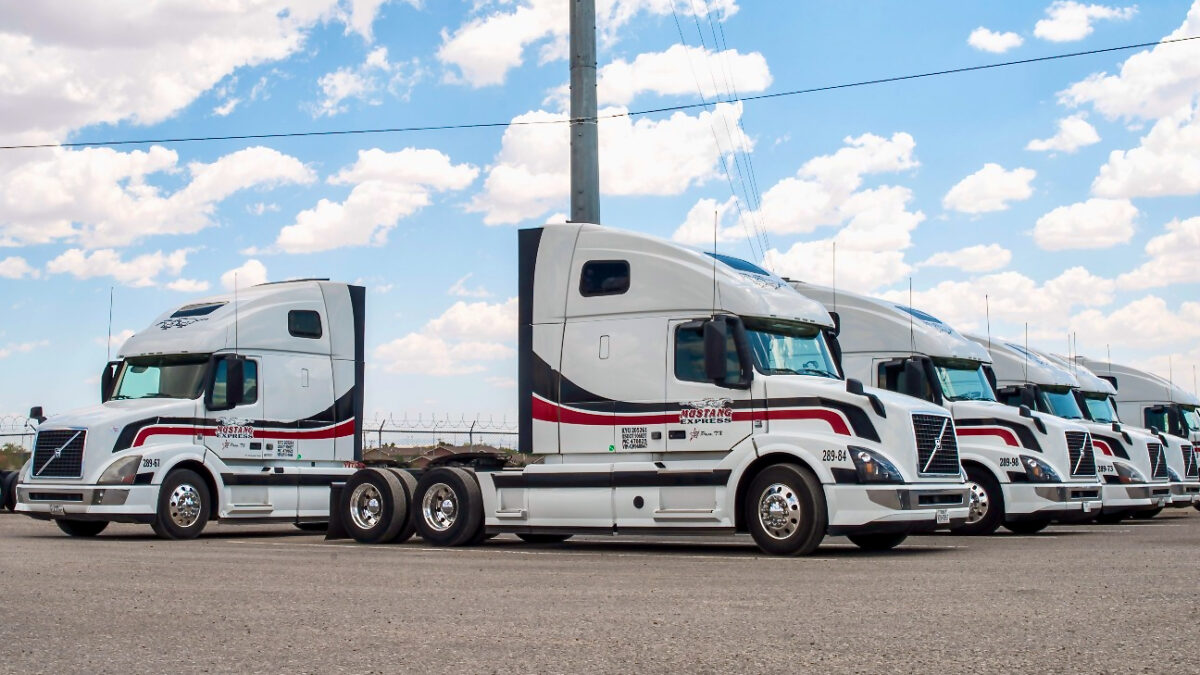
Running a transport company in Zimbabwe (whether haulage, passenger buses, logistics, fuel transport) involves several overlapping compliance risks. Key areas of concern include: fuel duties/levies, VAT on services and goods, presumptive tax and keeping strong bookkeeping records. Operating without robust control systems can expose you to penalties, audits or cash‑flow disruption.
For example:
- Zimbabwe Revenue Authority (ZIMRA) recently rolled out new presumptive tax rates for vehicles goods/transport operators.
- ZIMRA also introduced new duties/levies for fuel in transit which carry cash‑flow, refund and documentation risk.
- VAT obligations apply to many transport companies (whether goods movement or passenger services) and incorrect VAT accounting is a common audit trigger. Hence for transport operators, it’s not just “drive and deliver” it’s also “document, record, reconcile, comply”.
Major Tax & Duty Risks for Transport Operators
1. Fuel Duties / Transit Fuel Regulations
If your business transports fuel, or uses fuel as large part of cost base, be aware:
- In Zimbabwe a policy that came into effect 10 Aug 2024 required fuel imported under “Removal in Transit” (RIT) to pay duty and levies at port of entry and only obtain refund at port of exit upon proof of export.
- This created serious liquidity issues: you pay upfront duties and wait for refund, which can tie up working capital.
- More recently, in September 2025 the government scrapped the transit‑fuel duty regime for transporters in one change. Risk for transport companies: If you transport fuel (or haul goods that are fuel‑sensitive) you must track each movement, duty payment, refund documentation, and ensure correct classification (fuel in transit vs local supply). Mistakes can mean you lose refunds or pay duty unexpectedly.
2. VAT Risks
- Transport services may be subject to VAT if you provide taxable supplies of goods‑transport or passenger transport (unless there are specific exemptions).
- If you purchase large amounts of fuel, parts, consumables, accessories, you need to track input VAT correctly and ensure you have supporting invoices.
- If you operate across currencies (USD/ZWL) or import equipment/spares, recording the correct VAT base, conversion and documentation is essential. Risk: Insufficient documentation, mixed supply types, or failure to register for VAT when required can trigger assessments.
3. Presumptive Tax / Vehicle/Operator Levies
- Transport operators (goods vehicles, buses, taxes) are now subject to presumptive tax under Section 36(C) of the Taxes Act. For example, fixed monthly rates for commuter omnibuses, taxis, goods vehicles.
- For licensing/renewal, you may need to show tax‑clearance or proof of payment of these levies. Risk: Operating vehicles without proper clearance, missing payment of monthly presumptive tax, using vehicles without compliance can lead to fines and licence suspension.
4. Bookkeeping & Documentation Weakness
- Transport companies often have large volumes of transactions: fuel purchases, maintenance/spares, driver wages, tolls, licences, vehicle depreciation. Without strong bookkeeping you risk missing deductions, triggering audits, or failing to substantiate VAT.
- Multi‑currency, cross‑border operations, fuel in transit, and refunds all add complexity. Risk: Poor bookkeeping is a red flag for tax authorities. Missing invoices, unrecorded fuel usage, incorrect expense classifications all amplify risk.
Bookkeeping Solutions & Best Practices for Transport Companies
To mitigate these risks, your bookkeeping and systems must be robust, structured and aligned with tax compliance. Here’s how.
Establish Sound Record‑Keeping Framework
- Maintain separate business bank account(s) and clear segregation of business vs personal.
- Chart of Accounts should reflect transport specific cost centres: fuel, driver wages, vehicle maintenance, tolls/licences, depreciation, foreign currency gains/losses.
- Record all transactions promptly: fuel fill‑ups (with litres, vehicle ID), maintenance invoices, parts purchases, passenger/haulage revenue, toll receipts.
- Keep supporting documentation: supplier invoices, fuel docket/data, maintenance service records, vehicle acquisition/registration docs, driver allowances.
- Retain records for at least six years (or as required by ZIMRA) for audit readiness.
Track Fuel & Vehicle‑Specific Costs
- For each vehicle/truck, track fuel consumption: litres, cost, date, vehicle ID, route. This helps you justify fuel costs and reconcile variation.
- For fuel in transit operations (if relevant), track duty payments, port entries/exits, refund claims, route documentation. Maintain logs that map fuel movements.
- Vehicle maintenance and depreciation: Ensure you record major overhauls, parts replacement, residual value, vehicle life. This supports correct expense claim and tax deductions.
- Toll, licence, road user fees: Record by vehicle, date and cost. These may be deductible costs.
VAT & Currency Recording
- If VAT‑registered, record output VAT on your services and input VAT on purchases. Ensure your ERP or bookkeeping software supports VAT tracking and audit trail.
- For imports/foreign currency payments (spares, imported tyres, equipment), capture exchange rate, conversion gains/losses. In Zimbabwe multi‑currency operations are common and need to be reflected correctly.
- Link fuel, import, repair costs to the vehicle cost centre to ensure proper allocation of costs and support expense legitimacy.
Internal Controls & Audit Trail
- Use an accounting/ERP system (even a modest one) rather than spreadsheets alone. Ensure user‑access control, audit logs (who entered what, when).
- Reconcile bank statements, fuel usage logs, vehicle‑fleet records, and general ledger monthly.
- Perform regular stock/inventory counts for spare parts and tyres. Loss or shrinkage is a red flag for tax auditors.
- Ensure approval workflows for major expenditures (vehicle purchase, engine rebuilds, route changes).
- Generate monthly management reports: cost per kilometre, fuel consumption per vehicle, maintenance cost per vehicle, revenue per vehicle. These help detect anomalies.
What Your ERP / Accounting Software Should Capture for Transport Companies
When evaluating or configuring your system, ensure these transport‑specific fields/modules are included:
- Vehicle master data: Vehicle ID/registration number, make/model, acquisition date/cost, depreciation schedule.
- Fuel log/tracking: Date, litres, cost, vehicle ID, driver, route, invoice number.
- Maintenance module: Service date, parts replaced (with invoice), vehicle ID, cost centre, downtime.
- Route/trip profitability: For haulage or passenger transport, track revenue per trip, cost of trip (fuel, driver, tolls), margin.
- Toll/licence/road‑user fees: Vehicle ID, date, cost, invoice.
- Cost allocation: Ability to allocate cost to vehicle, route, branch or centre.
- Multi‑currency functionality: If importing parts, paying foreign currency, dealing with USD/ZWL.
- VAT module: Input/output VAT, linking invoices, overrides if exempt supplies, export services if applicable.
- Duty/refund tracking: If fuel in transit or other duty‑sensitive items, log duty paid, refund status, documentation attached.
- Alerts/flags: High fuel consumption relative to benchmarks, vehicles with no fuel log entries, overdue maintenance, large unapproved costs.
- Reporting: KPI dashboards (fuel consumption per km, maintenance cost per km, revenue per vehicle, VAT payable/receivable, duty refund status).
- Audit trail & document attachment: Attach fuel dockets, invoices, route logs, driver logs, proof of export (if relevant) to system records.
Summary & Key Takeaways
Transport companies operating in Zimbabwe must pay special attention to tax‑ and duty‑risk areas: fuel duties (especially in transit operations), VAT obligations, presumptive tax/levies for vehicles, and strong bookkeeping. Setting up your accounting systems and processes with these risks in mind will help you avoid penalties, manage cash‑flow and maintain credibility.
By:
- Keeping detailed logs of fuel/mileage/vehicle costs
- Ensuring VAT inputs/outputs are tracked and compliant
- Using accounting/ERP software tailored for transport operations (with vehicle‑level costing, fuel tracking, duty/refund fields)
- Maintaining control processes and audit‑trail you position your business to avoid weak spots that ZIMRA often investigates.