Introduction
African businesses are evolving. Whether you’re running a retail shop in Harare, a distribution company in Nairobi, or a farming cooperative in Lagos, you face a unique mix of challenges:
- Multi-currency environments
- Regulatory requirements (e.g., VAT, PAYE, NSSA)
- Load shedding and connectivity issues
- A growing need for automation and real-time reporting
As your business grows, choosing the right digital tools becomes critical. Most companies start with traditional accounting systems, but many soon ask: Is this enough to run a modern African business? Or do I need a full ERP system?
Let’s break it down and help you decide.
What Is a Traditional Accounting System?
A traditional accounting system is software that helps you:
- Record sales and expenses
- Track cash and bank accounts
- Prepare invoices and receipts
- Generate basic financial reports
- Submit tax returns
Popular tools used across Africa include:
- Sage Pastel
- QuickBooks
- Tally
- Excel (in many informal businesses)
They are simple, low-cost, and easy to learn—but limited to financial functions.
What Is an ERP System?
An ERP (Enterprise Resource Planning) system is an integrated platform that manages all key areas of your business, not just accounting. It includes:
- Finance and accounting
- Inventory and stock control
- Payroll and HR
- Procurement and supply chain
- CRM (Customer Relationship Management)
- Project management and reporting
Common ERP platforms used in Africa:
- Odoo
- SAP Business One
- Zoho One
- Sage 300
- Microsoft Dynamics
Key Differences: Accounting System vs ERP
Feature
Traditional Accounting Software
ERP System
Primary Use
Record financial transactions
Manage entire business operations
Modules
Accounting only
Accounting, HR, CRM, stock, etc.
User Roles
Limited to finance staff
Accessible by multiple departments
Integration
Manual imports/exports
Seamless automation across functions
Reporting
Basic financial reports
Real-time dashboards and analytics
Scalability
Limited
Highly scalable and flexible
Compliance Support
Basic (for tax reports)
Advanced (ZIMRA, NSSA, NEC, etc.)
Cloud Access
Usually desktop-based
Often cloud-based (anytime, anywhere)
When Accounting Systems Are Enough
An accounting system is suitable if:
- You’re a sole trader or microbusiness
- You only sell or offer services locally
- You don’t need to manage inventory or staff through the system
- Your tax calculations are simple (e.g., no VAT)
- You work mostly alone or with a small team
- You don’t need automated processes
Example: A small boutique in Lusaka with one employee and a few daily sales may not need an ERP just yet.
Why Modern African Businesses Are Moving to ERP
As your business grows across locations, currencies, staff, and customers, traditional accounting tools begin to hold you back.
Here’s how ERP helps solve real African business challenges:
1. Multi-Currency and Tax Compliance
Many African businesses deal with USD, local currency, mobile money (EcoCash, M-Pesa), and bank transfers. ERP handles:
- Currency conversion
- Dual reporting
- VAT, PAYE, and withholding tax submissions
- ZIMRA/NRA/GRA/NITA compliance rules
- Fiscalisation and e-invoicing integration
2. Stock and Inventory Control
Unlike accounting systems, ERPs offer:
- Live stock tracking
- Reorder alerts
- Barcode scanning
- Stock valuation methods (FIFO, average cost)
- Warehouse management across branches
Perfect for traders, manufacturers, and retailers across African cities.
3. Payroll and HR Automation
ERP systems handle:
- Multi-branch payroll in ZWL, USD, or other local currency
- Leave management, employee contracts
- Automatic PAYE and NSSA calculations
- NEC allowances and deductions
This is essential for compliance and efficient staff management in growing organisations.
4. Mobile and Cloud Access
Cloud-based ERP systems allow:
- Remote access for sales reps and managers
- Real-time updates from multiple branches
- Work continuity during power outages or office relocations
In many African markets where connectivity is patchy, a cloud ERP ensures business continuity.
5. Better Decision-Making With Real-Time Data
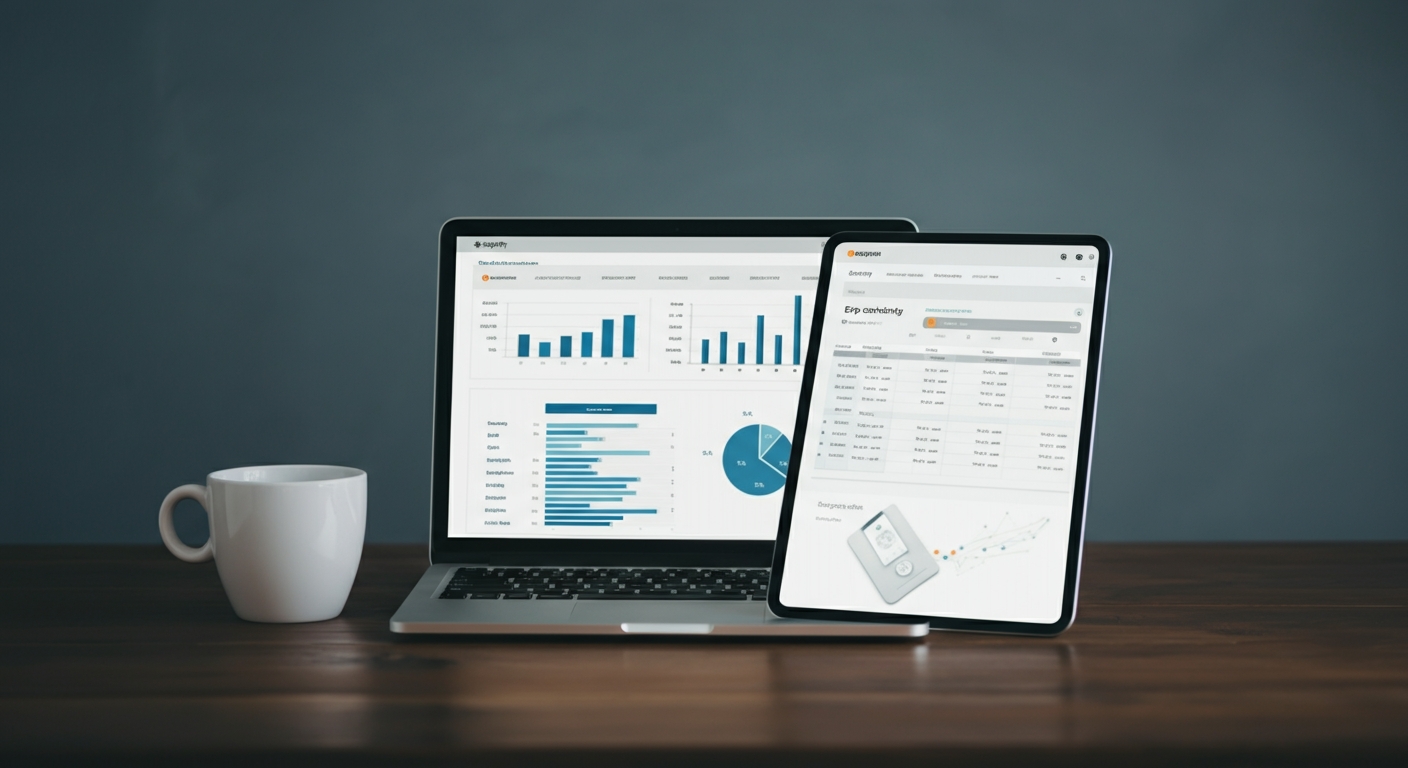
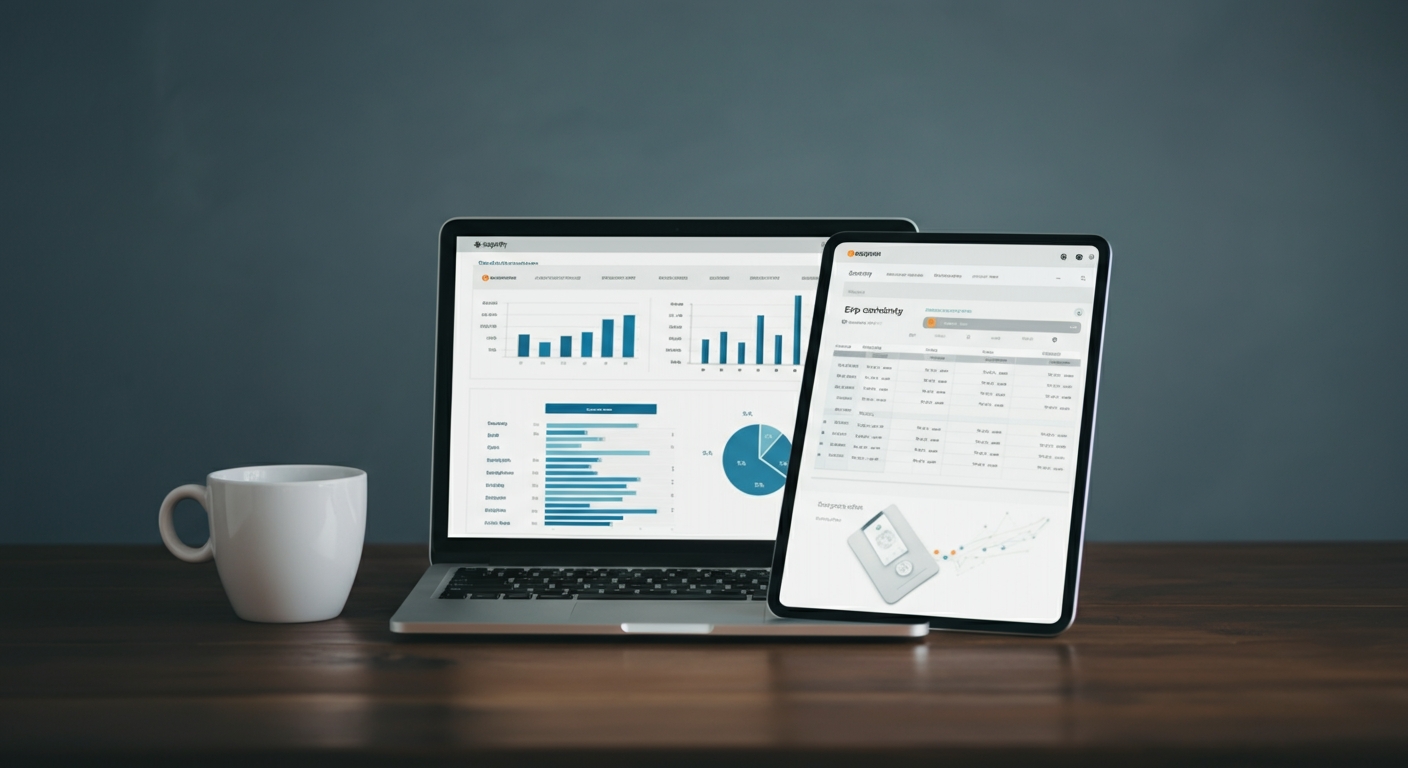
ERP dashboards show:
- Cash flow trends
- Customer payment performance
- Stock levels
- Sales performance by product or region
This helps African business owners respond quickly to market changes, forex fluctuations, and supply chain disruptions.
Real Case Study: From Accounting Software to ERP
Case Study – Zimbabwe: A fast-growing agribusiness in Marondera was using Sage Pastel for accounting. But as they expanded into processing and retail:
- They couldn’t track stock across warehouses
- Payroll was done manually on Excel
- Procurement orders often went missing
- Management lacked real-time reports
They migrated to an ERP system (Odoo), which integrated:
- Stock
- Payroll
- Sales and procurement
- Real-time dashboards
Result: 40% time saved on admin, better stock control, and full ZIMRA compliance.
Cost Comparison: Is ERP Affordable?
Feature
Accounting System
ERP System
Upfront Cost
Low or free
Medium to high (varies by size)
Setup Time
1–3 days
1–6 weeks
User Licenses
1–3 users
Scalable
Cloud Option
Rare
Common
Long-Term Value
Limited functionality
High efficiency and ROI
Tip: Many ERP systems (like Odoo) allow you to start small and add modules as you grow.
Conclusion
The African business environment is dynamic—and digital. Businesses need more than tools to balance books. They need systems to control operations, improve visibility, and support scale.
An ERP doesn’t just handle your money—it handles your business.