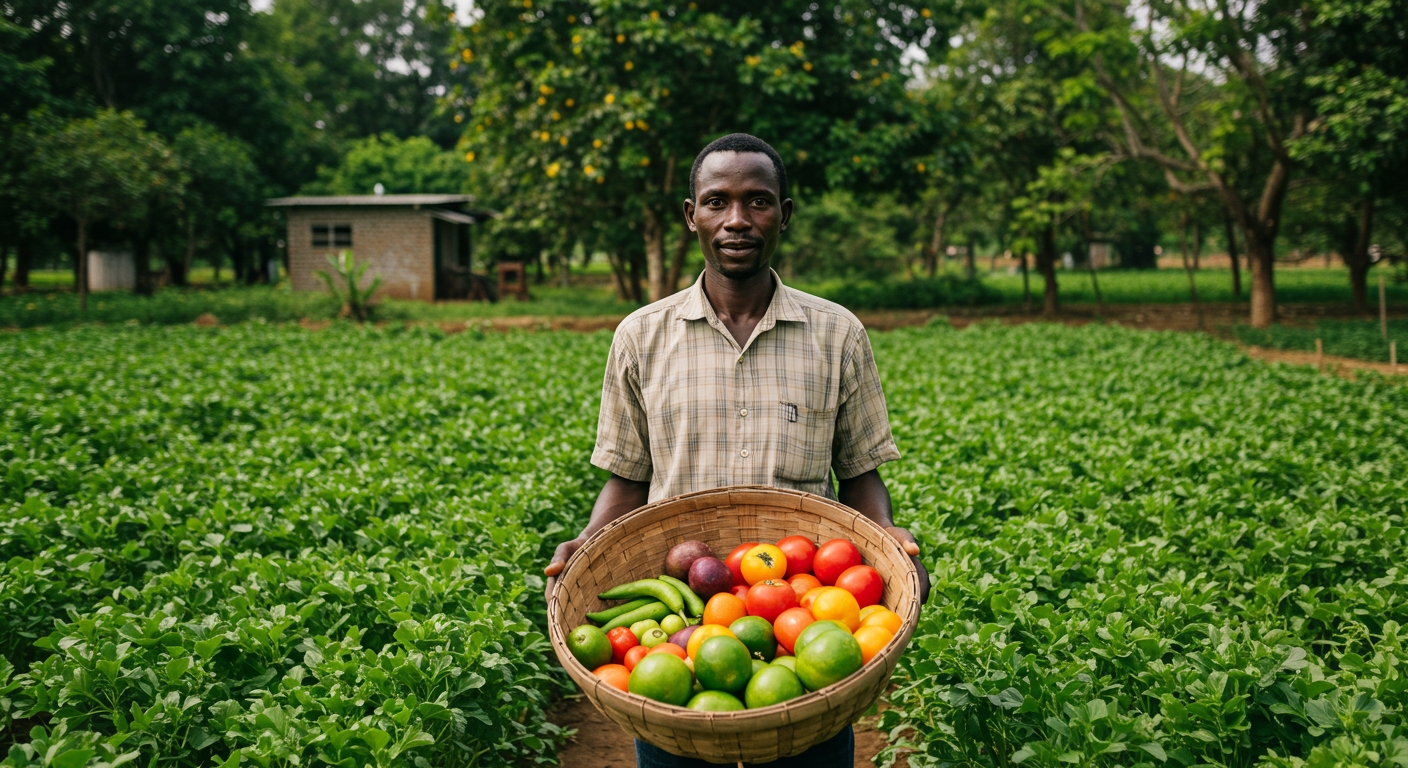

Zimbabwe’s agriculture sector remains one of the most promising avenues for wealth creation, employment, and food security. With a favorable climate, rich soils, and an increasing demand for fresh produce both locally and internationally, commercial farming in Zimbabwe is regaining momentum. Farmers and investors looking to enter the farming business in Zimbabwe have a wide array of high-yield, profitable crop options to choose from. From staple foods like maize to cash crops such as tobacco, horticulture, and organic niche products, the opportunities are diverse and scalable.
In this guide, we explore the most profitable crops in Zimbabwe that can offer excellent returns on investment for both small-scale and large-scale commercial farmers.
1. Maize – The Staple Power Crop
Maize is not just a dietary staple in Zimbabwe; it is also one of the most commercially viable crops. With consistent demand from local households, milling companies, and livestock feed producers, maize farming offers stable income potential.
Why it’s profitable:
- High local demand ensures a ready market.
- Government support through input subsidy programs.
- Suitable for both rain-fed and irrigated farming.
- Can be intercropped with legumes to improve soil health and diversify income.
Yields: Under optimal conditions, hybrid maize varieties can yield 5 to 10 tonnes per hectare, making it a solid cornerstone crop in any farming business in Zimbabwe.
2. Tobacco – Zimbabwe’s Leading Export Crop
Tobacco remains one of Zimbabwe’s top foreign currency earners, contributing significantly to the national GDP. With established infrastructure for processing and export, tobacco is ideal for commercial farmers aiming for international markets.
Why it’s profitable:
- High return per hectare (up to US$5,000 profit).
- Strong export demand, particularly in China and Europe.
- Government and private sector support through contract farming schemes.
- Can be rotated with legumes and small grains to preserve soil quality.
Yields: Average yields are around 2,000 kg per hectare for small-scale farmers and can reach 3,000+ kg for well-managed commercial farms.
Tip: Farmers must follow the Tobacco Industry and Marketing Board (TIMB) regulations and ensure compliance with sustainable farming practices to maintain international market access.
3. Horticulture – Fruits and Vegetables for Profit
The horticulture sector in Zimbabwe is witnessing a rapid revival, supported by growing local demand and lucrative export opportunities. Key crops include tomatoes, onions, cabbages, carrots, and leafy greens, while export-oriented fruits like blueberries, citrus, and avocados are gaining popularity.
Why it’s profitable:
- Short maturity periods (some vegetables harvestable in 3–4 months).
- High market value and frequent harvest cycles.
- Export-grade fruits attract premium pricing in European and Middle Eastern markets.
- Access to niche markets like hotels, restaurants, and supermarkets.
Blueberries: This crop has emerged as a horticultural goldmine, fetching up to US$6 per kg on export markets. Zimbabwe’s cooler climates, such as those in Manicaland, are ideal for high-quality production.
Avocados and Citrus: These fruits are also seeing rising demand, especially in Asia and the EU. With proper post-harvest handling, these crops can bring substantial foreign revenue.
4. Organic Niche Crops – A Rising Trend
Organic farming is still in its infancy in Zimbabwe but holds massive potential for commercial farmers looking to enter high-value, health-conscious markets. Key organic crops include:
- Herbs (e.g., basil, thyme, rosemary)
- Chilies and specialty peppers
- Moringa
- Ginger and turmeric
Why it’s profitable:
- Low input costs due to minimal chemical usage.
- Premium pricing, particularly in international health-food markets.
- Zimbabwe’s climate supports year-round cultivation for most herbs.
- Growing awareness and demand for natural products locally and abroad.
Export potential: Certified organic produce can earn 30–70% more than conventional crops, especially in European markets. Investment in proper certification and quality control is crucial for accessing these markets.
5. Macadamia Nuts – Long-Term Cash Crop
Though not a quick-return crop, macadamia nuts offer long-term profitability. Most suitable for regions such as the Eastern Highlands, macadamia trees begin yielding from year 4 or 5 and can continue producing for over 40 years.
Why it’s profitable:
- High demand in global snack and cosmetic industries.
- Low labor costs once trees are established.
- Minimal pest pressure compared to other tree crops.
Yields: Mature trees can produce 20–30 kg of nuts annually, translating to significant revenue, especially when processed for added value.
Export Markets: Major buyers include South Africa, Europe, and China.
6. Paprika – A Specialized Export Crop
Paprika is a high-value crop suitable for drier areas of Zimbabwe. It is primarily grown for export as a dried and processed spice, with established markets in Europe and Asia.
Why it’s profitable:
- Contracts available through spice-processing companies.
- Adaptable to various climate zones.
- Good margins, especially when grown on a large scale.
Yields: Paprika can yield around 2.5 to 3 tonnes per hectare. With proper drying and packaging, farmers can add value and improve profit margins.
Key Success Factors for Profitable Farming in Zimbabwe
To maximize profits from these high-yield crops, commercial farmers should focus on the following:
- Access to irrigation: Climate change has made rainfall unreliable, making irrigation a necessity for consistent yields.
- Quality inputs: Invest in certified seeds, organic manure or fertilizers, and effective pest control methods.
- Market research: Understand demand cycles and price trends to avoid gluts and post-harvest losses.
- Value addition: Processing, packaging, and branding can significantly boost profits, especially for niche and export crops.
- Certification and compliance: Exporters should meet international standards, including GlobalG.A.P., HACCP, and organic certifications.
Conclusion
Zimbabwe’s agricultural sector is ripe with opportunities for savvy investors and farmers. Whether you’re interested in staple foods like maize, lucrative exports like tobacco, or emerging organic and horticultural markets, there’s room to grow a profitable farming business in Zimbabwe. Success lies in smart crop selection, market-oriented production, and investment in modern farming techniques. With the right strategy, farming can be not just a livelihood, but a thriving enterprise in Zimbabwe’s economic landscape.