
1. Introduction
Agriculture remains the backbone of Zimbabwe’s economy, contributing significantly to exports, employment, and food security. As the country continues to rebuild and modernize its agricultural systems, 2025 presents strong opportunities for both commercial and small-scale farmers.
Choosing the right crop can mean the difference between a struggling operation and a thriving agribusiness. Profitability depends on several factors — including market demand, input costs, climate suitability, and export potential.
Below, we explore the Top 5 Most Profitable Crops to Grow in Zimbabwe in 2025, focusing on yield potential, market trends, and financial returns.
2. Tobacco — Zimbabwe’s Golden Leaf
Tobacco continues to be Zimbabwe’s leading export earner and one of the most profitable crops for farmers with access to capital and proper infrastructure.
Why It’s Profitable:
- Zimbabwe ranks among Africa’s largest tobacco producers, with a well-established auction and export system.
- The demand for high-quality flue-cured tobacco remains strong in Asian and European markets.
- Farmers receive payments in foreign currency, which offers stability against local currency fluctuations.
Profit Margins and Potential: When managed well, a hectare of tobacco can produce 1,800–2,500 kg, with profits ranging between USD 2,500–4,000 per hectare, depending on quality and input costs.
Challenges:
- High production costs for seedlings, fertilizers, and curing barns.
- Strict quality control and market competition.
- Environmental concerns such as deforestation and soil degradation.
For farmers with access to irrigation and proper training, tobacco remains a top choice for 2025.
3. Cotton — The White Gold
Cotton, often called “white gold,” remains one of Zimbabwe’s key cash crops and a reliable source of income for farmers, particularly in low-rainfall regions.
Why It’s Profitable:
- Cotton has multiple uses: fiber for textiles, seed for oil extraction, and by-products for animal feed.
- The government and private contractors continue to promote cotton through input support schemes.
- Export demand in regional markets, particularly in South Africa and Asia, remains strong.
Profit Margins and Potential: Under favorable conditions, farmers can earn USD 800–1,500 per hectare, depending on yield and market prices. Contract farming models help reduce upfront input costs, improving profitability for small-scale farmers.
Challenges:
- Pest infestations such as bollworms.
- Global price fluctuations.
- Requires consistent moisture levels during flowering.
With improved farming techniques and integrated pest management, cotton remains a viable crop for 2025.
4. Horticultural Crops — The Fastest-Growing Sector
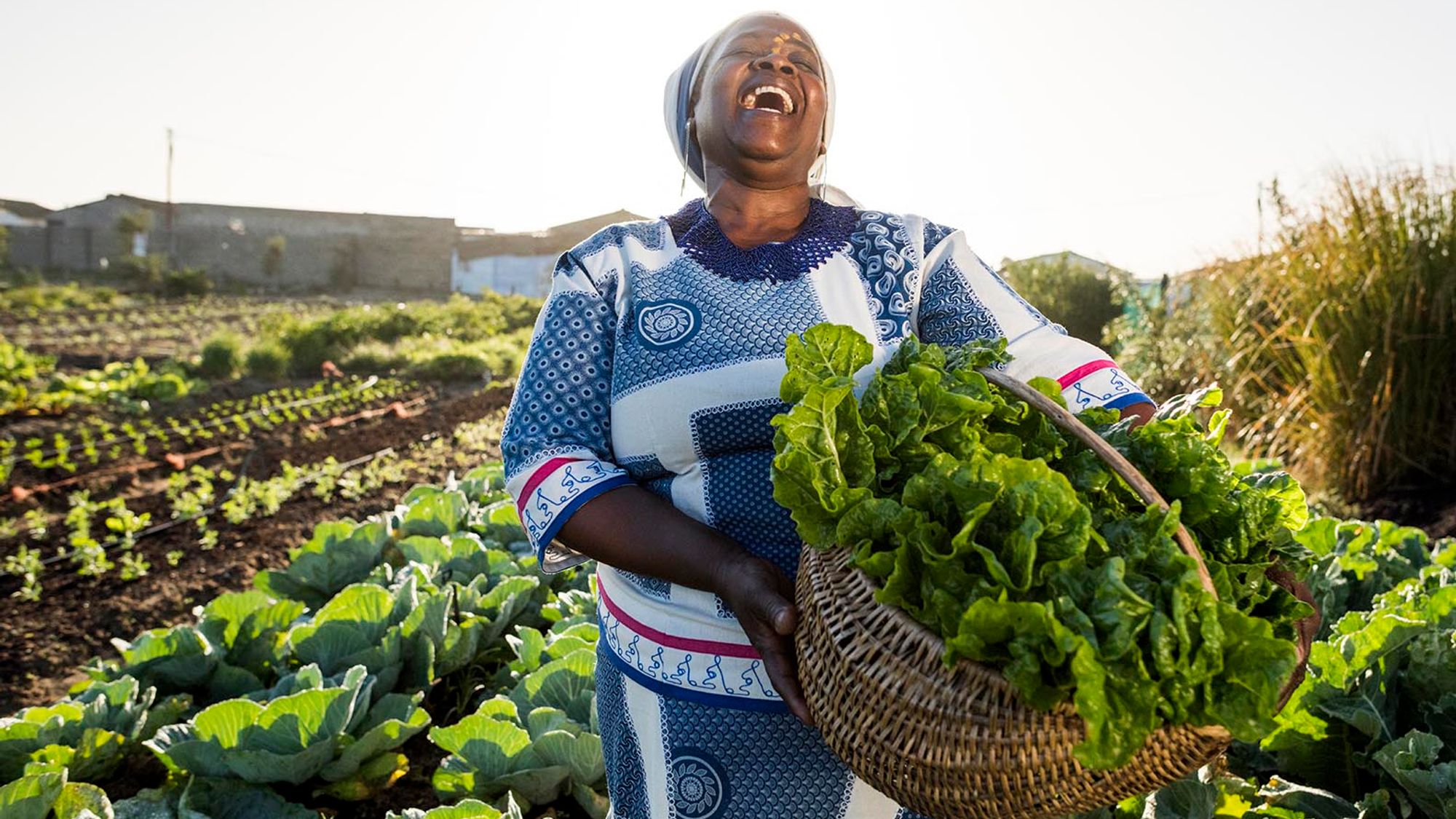
Zimbabwe’s horticulture industry — covering fruits, vegetables, herbs, and flowers — has become a major income generator for both local and export markets.
Why It’s Profitable:
- Strong domestic demand from supermarkets, hotels, and fast-food chains.
- Export opportunities for crops such as avocados, blueberries, peas, and baby vegetables.
- Short production cycles — some crops mature within 3 to 4 months.
Top Horticultural Crops in 2025:
- Tomatoes and onions — essential for local markets.
- Avocados and blueberries — high-value export crops with growing global demand.
- Peppers and herbs — ideal for greenhouse and small-scale production.
Profit Margins and Potential: Greenhouse vegetable production can yield profits of USD 5,000–10,000 per hectare annually, while fruit orchards like avocados or blueberries can exceed USD 15,000 per hectare after establishment.
Challenges:
- High startup costs for irrigation, greenhouses, and packaging.
- Strict export quality standards.
- Requires consistent management and market access.
Despite these challenges, horticulture remains one of the fastest-growing and most profitable sectors in Zimbabwe’s agriculture.
5. Macadamia Nuts — The Long-Term Goldmine
Macadamia farming has rapidly grown in Zimbabwe, particularly in regions like Chipinge and Chimanimani. Although it requires patience and initial investment, macadamia nuts are considered a premium export commodity with impressive long-term returns.
Why It’s Profitable:
- Global demand for macadamia nuts continues to rise, especially in Asia and Europe.
- Trees produce nuts for over 40 years once established.
- Low post-harvest losses compared to perishable crops.
Profit Margins and Potential: After the first 4–5 years, mature macadamia trees can produce 3–5 tons per hectare, with profits averaging USD 10,000–20,000 per hectare annually, depending on quality and market access.
Challenges:
- Requires a long establishment period before profitability.
- Needs adequate rainfall or irrigation.
- Market prices fluctuate with global supply.
For investors looking for long-term agricultural ventures, macadamia nuts remain a top-tier choice for 2025.
6. Maize and Traditional Grains — The Reliable Staple
While not as lucrative as export crops, maize and traditional grains (sorghum, millet) remain essential for food security and a reliable income stream, especially for small-scale farmers.
Why It’s Profitable:
- Constant demand for food and livestock feed.
- Government support through grain marketing programs.
- Drought-tolerant varieties available for arid regions.
Profit Margins and Potential: Under irrigation and good management, maize can yield 5–8 tons per hectare, translating to USD 600–1,000 per hectare. Traditional grains may offer slightly lower monetary returns but are more resilient to climate risks.
Challenges:
- Lower export potential compared to cash crops.
- Vulnerable to droughts without irrigation.
- Price volatility linked to government-controlled markets.
Still, these crops offer food security and stable demand, making them essential for diversified farming portfolios.
7. Factors to Consider Before Choosing a Crop
Before deciding which crop to grow, farmers should carefully evaluate:
- Climate and soil type: Choose crops suited to local rainfall and soil conditions.
- Access to irrigation: Irrigation greatly improves yields and consistency.
- Market access: Distance to buyers, processors, and export facilities.
- Capital availability: Some crops require high initial investments.
- Risk tolerance: Consider both short-term and long-term profitability.
Farmers are also encouraged to diversify — combining high-value crops like horticulture with staples such as maize to balance risk and cash flow.
8. Government and Private Sector Support
The Zimbabwean government and private investors continue to support agricultural production through:
- Contract farming schemes (especially for tobacco, cotton, and horticulture).
- Agricultural finance programs via Agribank and AFC Holdings.
- Training and extension services to improve yields and sustainability.
- Export promotion initiatives for horticultural and nut crops.
Accessing these support programs can significantly improve profitability and sustainability for local farmers.
9. Emerging Trends in 2025
As global and local markets evolve, several trends are shaping Zimbabwean agriculture:
- Shift toward climate-smart farming: Adoption of drought-resistant varieties and water-efficient irrigation.
- Organic and niche crops: Rising demand for herbs, spices, and health-focused produce.
- Digital agriculture: Farmers using technology for crop monitoring and market access.
- Export diversification: New markets in Asia and the Middle East for horticultural products.
Farmers who align with these trends are better positioned to thrive in 2025 and beyond.
10. Conclusion
Zimbabwe’s agricultural potential remains vast, and 2025 presents significant opportunities for profit and growth.
The most profitable crops — tobacco, cotton, horticultural produce, macadamia nuts, and staple grains — each offer unique advantages depending on capital, land, and market access.
For those ready to invest strategically, agriculture continues to be a profitable and sustainable venture that drives both individual prosperity and national development.
By focusing on market research, efficient production, and sound financial management, Zimbabwean farmers can achieve remarkable success in 2025’s evolving agricultural landscape.