
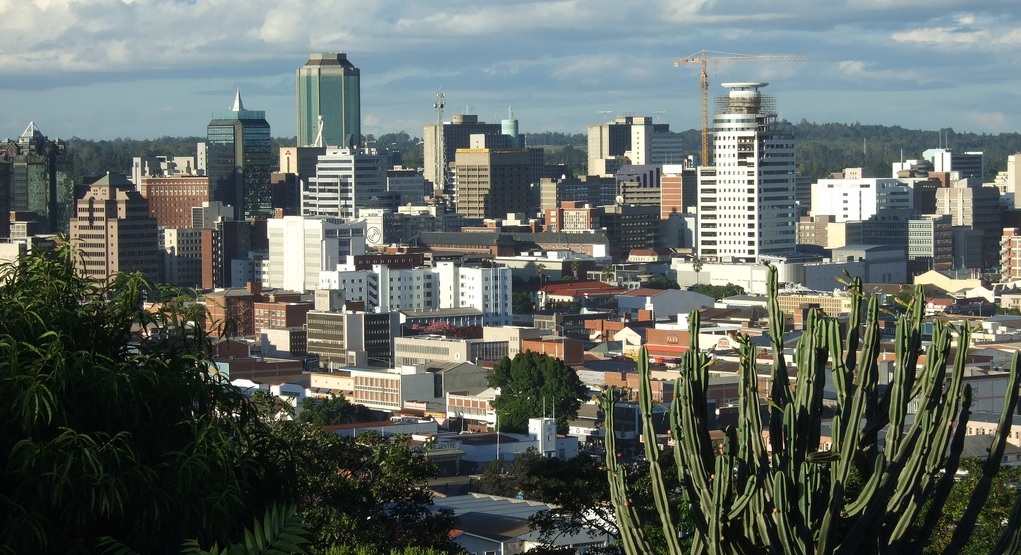
Over the past decade, Zimbabwe’s economy has been evolving. While agriculture and mining remain the country’s backbone, a quiet revolution is taking place — the rise of the service economy.
Across Africa, and particularly in Zimbabwe, services such as logistics, digital marketing, fintech, education, and healthcare are driving growth faster than traditional industries. As 2025 unfolds, entrepreneurs who understand this shift have the chance to build scalable, high-profit businesses with relatively low capital.
So, what exactly is the service economy, and how can Zimbabwean entrepreneurs tap into it? Let’s explore.
1. Understanding the Service Economy
The service economy refers to businesses that offer services — not physical goods — to meet customer needs. This includes everything from financial consulting, digital marketing, logistics, and cleaning services to education and healthcare.
In Zimbabwe, this transformation is being driven by three major forces:
- Urbanization: Growing cities are increasing demand for lifestyle and convenience services.
- Digital transformation: Internet access and mobile technology have enabled new service-based industries.
- Job displacement: As formal employment opportunities shrink, individuals are turning to service-based entrepreneurship.
From Harare to Mutare, new service businesses are emerging — and the trend is only beginning.
2. Why Service Businesses Are Thriving in Zimbabwe
Several factors make service-based businesses particularly attractive in the current Zimbabwean economy:
- Low startup capital: Most service ventures require skills and time more than heavy investment.
- Flexibility: Services can be offered remotely or on a freelance basis.
- Scalability: Many services can grow quickly through digital marketing and partnerships.
- Steady demand: Everyday needs — from cleaning and transport to education and digital assistance — continue even in economic downturns.
In short, services offer resilience, affordability, and sustainability — exactly what Zimbabwe’s economy needs in 2025.
3. Emerging Sectors Driving the Service Economy
Let’s look at some of the most promising and untapped service business ideas in Zimbabwe right now.
a. Digital and IT Services
As businesses move online, demand for digital skills is skyrocketing. Entrepreneurs can offer:
- Website design and maintenance for SMEs that want an online presence.
- Digital marketing and SEO services for local brands.
- Social media management for companies and influencers.
- Data analytics and IT support for corporates.
Tech-based service companies can start small and scale quickly by offering value-driven, results-oriented services.
b. Logistics and Delivery Services
With eCommerce and online food platforms expanding, reliable delivery and courier services are in high demand.
Ideas include:
- Local bike or car delivery services for restaurants and pharmacies.
- Last-mile logistics solutions for online sellers.
- Parcel aggregation services for small retailers in rural areas.
Efficient, trustworthy logistics are still underdeveloped in Zimbabwe — making this an excellent area for innovation.
c. Financial and Tax Advisory Services
The Zimbabwean financial landscape is complex, with many small businesses struggling to comply with ZIMRA regulations. Entrepreneurs with accounting or finance backgrounds can offer:
- Bookkeeping and VAT services for SMEs.
- Payroll processing for small firms.
- Financial literacy workshops for startups.
- Tax consultancy and compliance guidance.
With the adoption of digital systems like Sage Pastel and QuickBooks, modern financial service providers have endless opportunities.
d. Education and Skills Development
The demand for affordable education and skills training remains strong. You can start:
- A tutoring center for O-Level and A-Level students.
- A skills academy offering digital literacy, entrepreneurship, or vocational training.
- An online learning platform targeting Zimbabwean students abroad.
Education services have one of the highest social impacts while remaining profitable and scalable.
Urban lifestyles and health awareness are increasing demand for personal well-being services. Promising ideas include:
- Mobile clinics or home-based healthcare services.
- Fitness coaching, yoga, or physiotherapy studios.
- Mental health counseling and life coaching programs.
- Nutrition and wellness consultation for families.
Health-related services are still underdeveloped outside major cities, presenting huge potential for new entrants.
f. Cleaning, Sanitation, and Pest Control
As businesses and households prioritize hygiene, cleaning services have become a necessity. Entrepreneurs can launch:
- Corporate cleaning contracts for offices and banks.
- Residential cleaning services for apartment complexes.
- Pest control and fumigation services for commercial clients.
A small team, some equipment, and professionalism are enough to build a loyal client base.
g. Beauty, Grooming, and Lifestyle Services
Zimbabwe’s beauty industry is one of the fastest-growing service sectors. New entrepreneurs can explore:
- Mobile salons and barbers offering door-to-door grooming.
- Cosmetic and skincare consultation.
- Spa and massage services targeting working professionals.
- Bridal makeup and event styling packages.
With consistent branding and customer care, such services can quickly build strong word-of-mouth marketing.
h. Property and Facility Management
Urban development is increasing demand for property-related services. You can start:
- Property management and rental services.
- Real estate marketing for landlords and developers.
- Building maintenance and landscaping.
- Security services for gated communities and institutions.
These businesses provide recurring income and long-term growth opportunities.
i. Creative and Content Services
Creative entrepreneurship is booming across Africa. In Zimbabwe, you can succeed with:
- Photography and videography for events and brands.
- Graphic design and branding for SMEs.
- Copywriting and content creation for digital media.
- Podcast or video production services.
The global demand for African stories and digital content is growing — Zimbabwean creatives can tap into this international market.
4. What Makes a Successful Service Business in Zimbabwe
To thrive in the service economy, focus on three key principles:
- Skill and professionalism: Your service quality defines your reputation. Invest in training and certifications.
- Customer relationships: Deliver reliability, trust, and value — word-of-mouth is your best advertisement.
- Digital presence: Build visibility through social media, WhatsApp Business, and Google Maps listings.
Zimbabwean customers value personal connection and consistency — make these the foundation of your brand.
5. The Future of Zimbabwe’s Service Economy
By 2025 and beyond, services will dominate employment and GDP contribution in Zimbabwe. The global trend shows that as economies mature, services become the main driver of growth — from tourism and logistics to fintech and digital education.
Government and private sector initiatives are also supporting entrepreneurship, digital literacy, and small business financing. This creates a fertile environment for service-based startups to thrive.
Conclusion
The rise of Zimbabwe’s service economy marks a turning point — one filled with opportunities for creative, hardworking entrepreneurs. You don’t need huge capital or heavy equipment to succeed; what you need is skill, consistency, and innovation.
From cleaning and logistics to consulting, health, and technology, service-based businesses are the new frontier of entrepreneurship in Zimbabwe. As demand for convenience, expertise, and digital solutions continues to grow, those who act early will shape the country’s next wave of economic growth.