1. Introduction
Agriculture is the heartbeat of Zimbabwe’s economy. For decades, farming has provided employment, export earnings, and food security for millions of households. However, modern challenges — climate change, limited financing, and outdated farming practices — have forced a shift in how farmers and investors view agriculture.
The future of farming in Zimbabwe is no longer just about planting and harvesting. It’s about innovation, technology, sustainability, and building profitable agribusiness models that respond to both local and global market demands. As the country moves into 2025 and beyond, Zimbabwe’s agricultural landscape is transforming — opening up new opportunities for agripreneurs, youth, and investors.
2. The Evolution of Zimbabwe’s Agricultural Sector
Zimbabwe’s agricultural sector has evolved from subsistence farming to a more market-driven and technology-focused system. The government’s support for agriculture through programs like Pfumvudza/Intwasa, irrigation development, and export promotion has laid the foundation for a modern agribusiness ecosystem.
Farmers are increasingly adopting digital solutions, mechanization, and value-chain integration to improve productivity. The rise of youth agripreneurs and private investors has also diversified the sector beyond traditional crops like maize and tobacco — into horticulture, livestock, aquaculture, and agro-processing.
This shift signals a new era where agriculture is seen as a profitable business, not just a survival activity.
3. Key Agribusiness Opportunities in Zimbabwe for 2025 and Beyond
a. Horticulture and Export Farming
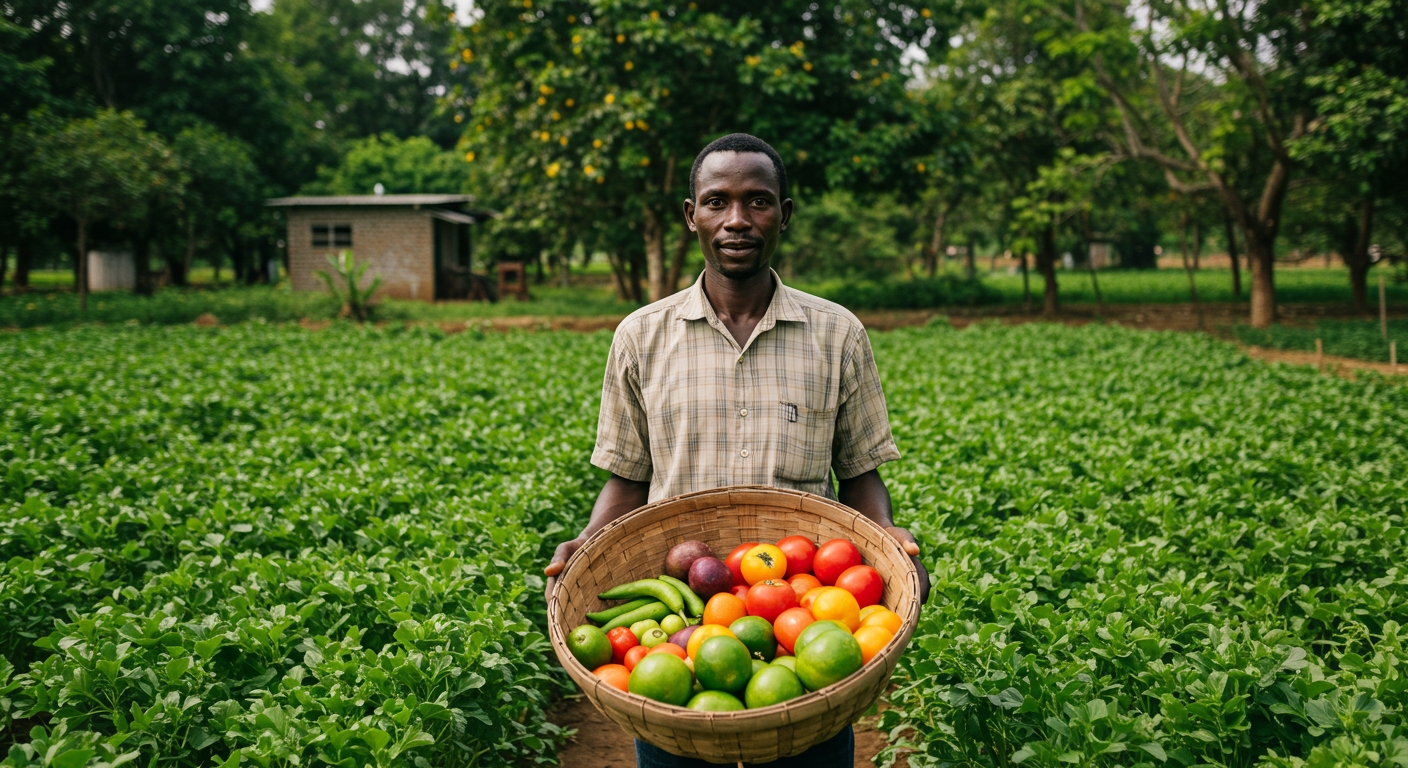
Zimbabwe’s climate and fertile soils make it ideal for producing fruits, vegetables, and flowers for both domestic and export markets. The horticulture sector is expected to grow rapidly in 2025 due to global demand for avocados, blueberries, peas, and baby vegetables.
Opportunities include:
- Setting up export-focused farms targeting European and Middle Eastern markets.
- Contract farming for supermarkets and food processing companies.
- Greenhouse farming for year-round production.
Profit potential: High-value horticultural exports can earn between USD 5,000–15,000 per hectare, depending on crop type and market access.
b. Livestock Production and Dairy Farming
Zimbabwe’s demand for meat, milk, and poultry continues to rise, driven by population growth and urbanization. Livestock farming presents strong opportunities for both small-scale and commercial farmers.
Promising areas:
- Cattle rearing for beef and dairy products.
- Goat and sheep farming for export and domestic markets.
- Poultry and piggery for fast turnover and reliable cash flow.
Government and private partners such as the Livestock Growth Plan are providing technical and financial support to boost production efficiency and market access.
Profit potential: Small-to-medium livestock operations can earn USD 2,000–10,000 annually, depending on scale and management.
c. Value Addition and Agro-Processing
Instead of exporting raw crops, Zimbabwean entrepreneurs are realizing that value addition increases profitability. Agro-processing involves turning raw agricultural produce into finished goods — such as cooking oil, peanut butter, fruit juice, or animal feed.
Examples of profitable ventures:
- Milling maize into mealie meal.
- Processing groundnuts into peanut butter or snacks.
- Turning horticultural produce into dried fruits or jams.
- Producing animal feed from cottonseed or maize residues.
Agro-processing also creates jobs and strengthens rural economies, making it one of the most impactful agribusiness models for 2025.
d. Aquaculture and Fish Farming
With growing demand for affordable protein, fish farming is emerging as a major agribusiness opportunity in Zimbabwe. Tilapia and catfish are the most popular species for commercial aquaculture.
Why it’s promising:
- Fast growth cycles — fish mature within 6–9 months.
- Can be integrated with crop farming (using fish waste as fertilizer).
- Expanding market in hotels, restaurants, and households.
Profit potential: A well-managed fish pond can produce 3–5 tons per year, yielding profits of USD 3,000–8,000, depending on scale.
e. Poultry and Egg Production
Poultry remains one of the most accessible and profitable agribusinesses in Zimbabwe. With a small capital investment, farmers can start broiler or layer production and scale up gradually.
Advantages:
- Quick returns (broilers mature in 6–8 weeks).
- Strong local demand for eggs and chicken meat.
- Integration opportunities with feed manufacturing or cold-chain logistics.
Profit margins: Small producers can earn USD 500–2,000 per cycle, while larger commercial operators can scale significantly higher.
f. Climate-Smart and Organic Farming
Climate-smart agriculture is the future of sustainable farming in Zimbabwe. With rainfall patterns becoming unpredictable, farmers are adopting drought-resistant crops, conservation agriculture, and solar-powered irrigation systems.
Organic farming — producing chemical-free crops — is also gaining popularity among health-conscious consumers and export markets. Farmers who focus on sustainability can tap into premium pricing and long-term contracts.
Opportunities include:
- Growing organic herbs and vegetables for export.
- Producing eco-friendly fertilizers and bio-pesticides.
- Offering carbon credit services through reforestation and soil regeneration.
4. Technology and Innovation in Farming
The future of Zimbabwean agriculture is digital. Farmers are increasingly using mobile apps, drones, and data analytics to monitor crops, manage inputs, and access markets.
Technological trends shaping the sector include:
- Digital marketplaces connecting farmers directly to buyers.
- Precision agriculture using drones and sensors to manage water and fertilizer efficiently.
- Blockchain systems for traceability and export compliance.
- Agri-fintech platforms offering mobile-based loans and insurance.
These technologies are making agriculture smarter, more transparent, and more profitable.
5. Youth and Women in Agribusiness
A major shift in Zimbabwe’s agricultural landscape is the rise of young and female agripreneurs. Once viewed as an industry for older generations, agriculture is now being redefined by young innovators combining business acumen with technology.
Programs such as Youth in Agriculture and Women Empowerment through Agribusiness are helping more people access land, finance, and training. Women, in particular, are excelling in horticulture, poultry, and value-added food production — driving inclusivity and job creation.
6. Government and Institutional Support
The government continues to prioritize agriculture through policies and funding mechanisms aimed at achieving food security and export growth. Key initiatives include:
- The Agriculture and Food Systems Transformation Strategy (2020–2030).
- Smart Agriculture Investment Plans.
- Public-private partnerships to develop irrigation and mechanization infrastructure.
- Access to foreign currency facilities for exporters and processors.
With consistent policy support, Zimbabwe’s agriculture sector is becoming more attractive for both local and foreign investors.
7. Challenges Facing the Sector
Despite the progress, the road to a modern agribusiness economy is not without challenges. Common constraints include:
- Limited access to affordable finance and insurance.
- Poor rural infrastructure and post-harvest storage.
- High input costs for fertilizers and seeds.
- Climate-related risks such as droughts and floods.
However, with the right partnerships, innovation, and training, these challenges are gradually being addressed.
8. Investment Outlook for 2025 and Beyond
Agribusiness is increasingly being recognized as a strategic investment sector in Zimbabwe. Investors are eyeing opportunities in irrigation, food processing, export horticulture, and renewable energy for agriculture.
Foreign and local investors can benefit from incentives such as:
- Tax breaks for agro-processing ventures.
- Land leasing opportunities under the Agriculture Recovery Plan.
- Export rebates for high-value crops.
The focus for 2025 and beyond is on building resilient, technology-driven, and export-oriented agricultural enterprises.
9. Conclusion
The future of farming in Zimbabwe is bright and full of potential. As the agricultural landscape transforms, new opportunities are emerging across the entire value chain — from production and processing to distribution and export.
For entrepreneurs, youth, and investors, this is the time to think beyond traditional farming and embrace agribusiness as a modern, profitable industry.
With innovation, sustainability, and collaboration at its core, Zimbabwe’s agricultural sector is not just feeding the nation — it’s creating wealth, jobs, and global competitiveness for decades to come.