Introduction
Zambia’s agriculture sector is one of the top best industries in the country, particularly horticulture, presents a promising opportunity for foreign investors. With favorable climatic conditions, rich soil, and supportive government policies, Zambia is promising to become a leading player in the global horticulture market. This article will explore the benefits, opportunities, and practical steps for investing in the Zambian horticulture sector, providing valuable insights for foreign investors looking to capitalize on this thriving industry.
Why Invest in Zambia Agriculture Sector: Horticulture?
Favorable Climatic Conditions
Zambia enjoys a diverse climate that is conducive to the cultivation of various horticultural crops.
Tropical Climate: Favorable for growing fruits such as mangoes, bananas, and pineapples.
Temperate Climate: Ideal for vegetables like tomatoes, onions, and peppers.
Rainfall: Adequate annual rainfall ranging from 800 to 1400 mm, supporting crop growth without heavy dependency on irrigation.
Rich Agricultural Land
Zambia has vast amounts of arable land suitable for horticultural production.
Arable Land: Approximately 58% of Zambia’s land area is arable, with only a small percentage currently under cultivation.
Soil Fertility: Rich and fertile soil in various regions enhances crop yields.
Government Support and Policies
The Zambian government provides various incentives and support mechanisms to attract foreign investment in the agriculture sector.
Investment Incentives: Tax holidays, reduced tax rates, and import duty exemptions on agricultural equipment and inputs.
Subsidies: Government subsidies on fertilizers and seeds to reduce production costs.
Zambia Development Agency (ZDA): Offers support services, investment promotion, and guarantees to foreign investors.
Steps to Investing in the Zambian Horticulture Sector
Conduct Market Research
Market research is vital to understanding the demand, competition, and market dynamics.
Demand Analysis: Identify high-demand horticultural products locally and internationally.
Competitive Landscape: Analyze existing competitors and their market share.
Export Potential: Assess opportunities for exporting horticultural products to neighboring countries and global markets.
Choose the Right Crop
Selecting the appropriate crop based on market demand, climatic conditions, and soil suitability is essential for success**.**
Fruits: Mangoes, bananas, pineapples, avocados, and citrus fruits.
Vegetables: Tomatoes, onions, peppers, carrots, and leafy greens.
Flowers and Ornamentals: Roses, lilies, and other high-value ornamental plants.
Acquire Land
Securing suitable land for horticultural production is a critical step.
Land Acquisition: Follow legal procedures to acquire land, whether through purchase or lease.
Location: Choose land with good access to water, transportation, and markets.
Soil Testing: Conduct soil tests to determine fertility and suitability for the chosen crops.
Secure Financing
Obtaining adequate financing is vital for establishing and operating a horticultural business.
Equity Financing: Raise capital through equity investors or partners.
Debt Financing: Secure loans from banks and financial institutions.
Government Grants and Subsidies: Explore available government grants and subsidies for agriculture.
Implement Modern Farming Techniques
Adopting modern farming techniques can significantly enhance productivity and profitability.
Irrigation Systems: Install efficient irrigation systems to ensure adequate water supply.
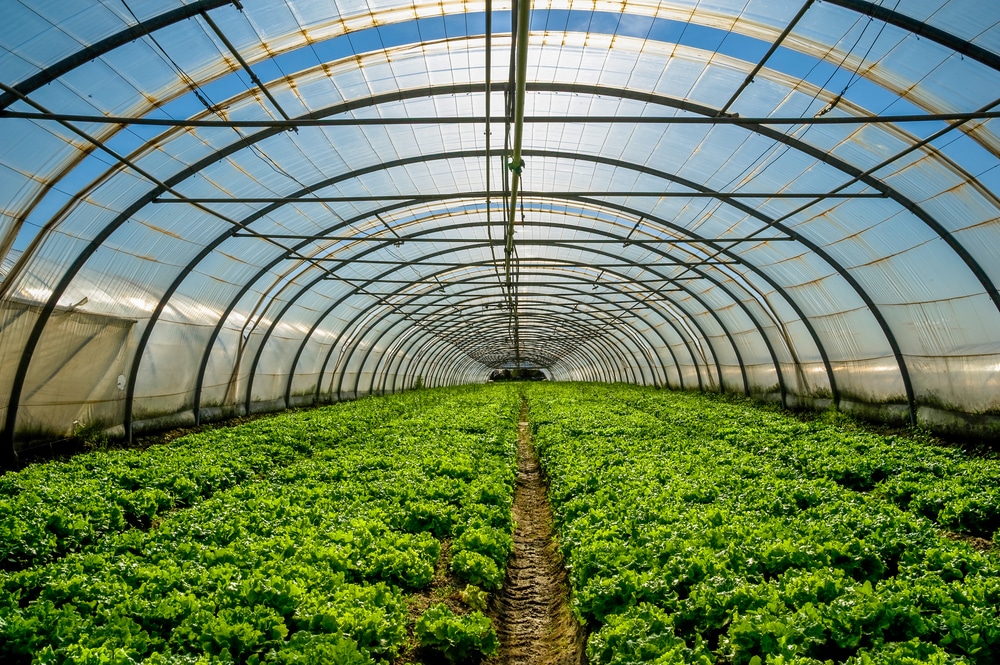
Greenhouses: Use greenhouses to extend growing seasons and protect crops from adverse weather.
Integrated Pest Management (IPM): Implement IPM practices to control pests and diseases sustainably.
Precision Agriculture: Utilize technology for precise application of inputs and monitoring of crop growth.
Adhere to Regulatory Requirements
Compliance with local regulations and standards is crucial for smooth operations and market access.
ZEMA Approvals: Obtain necessary environmental approvals from the Zambia Environmental Management Agency (ZEMA).
Phytosanitary Certificates: Ensure crops meet phytosanitary standards for export.
Food Safety Standards: Adhere to food safety standards to ensure product quality and consumer safety.
Export Opportunities and Market Access
- Regional Markets
Zambia’s strategic location provides access to regional markets through various trade agreements.
COMESA: Access to a market of over 500 million people in the Common Market for Eastern and Southern Africa (COMESA).
SADC: Membership in the Southern African Development Community (SADC) facilitates regional trade.
- Global Markets
Zambia’s horticultural products have significant potential in global markets.
Europe: High demand for tropical fruits and vegetables in European markets.
Middle East: Growing market for fresh produce in the Middle East.
Asia: Increasing demand for high-quality horticultural products in Asian countries.
Statistical Insights on the Zambian Horticulture Sector
Sector Growth: The horticulture sector in Zambia has grown at an average rate of 7% per annum over the past five years.
Export Earnings: In 2023, horticultural exports contributed over $200 million to Zambia’s foreign exchange earnings.
Employment: The sector employs over 500,000 people, providing livelihoods and reducing poverty.
Production Volumes: Zambia produces over 1 million tons of horticultural crops annually, with significant potential for expansion.
Conclusion
Investing in the Zambian agriculture sector, particularly horticulture offers many opportunities for foreign investors. With favorable climatic conditions, rich soil, supportive government policies, and access to regional and global markets, Zambia is well-positioned to become a leading horticultural producer.
For further assistance on how you can practice horticulture in Zambia feel free to contact us at M&J Zambia. Our team is always ready to help you navigate the process and ensure a smooth experience, we’ve got you covered!