
Introduction: Are You Just Counting Numbers, or Running a Business?
For many Zimbabwean business owners, especially SMEs, accounting is often seen as just a way to track sales, expenses, and taxes. Most start with simple tools like Pastel, QuickBooks, or Excel. These tools work well—at first.
But as your business grows, things get more complicated:
- You have multiple departments
- You hire more staff
- You deal in both USD and ZWL
- You need stock control, payroll, HR, and reporting
- And ZIMRA starts asking more questions
At this point, traditional accounting systems may no longer be enough. This is where an ERP (Enterprise Resource Planning) system comes in.
So what’s the difference—and which one is right for your business?
What Is a Traditional Accounting System?
Traditional accounting systems are designed to track financial data. They handle:
- Sales and invoicing
- Expense tracking
- Bank reconciliation
- Payroll
- Financial reports
Examples include:
- Sage Pastel
- QuickBooks
- Wave Accounting
- Excel-based templates
These tools are ideal for basic bookkeeping and small teams, and are often installed on a desktop or available as cloud software.
What Is an ERP System?
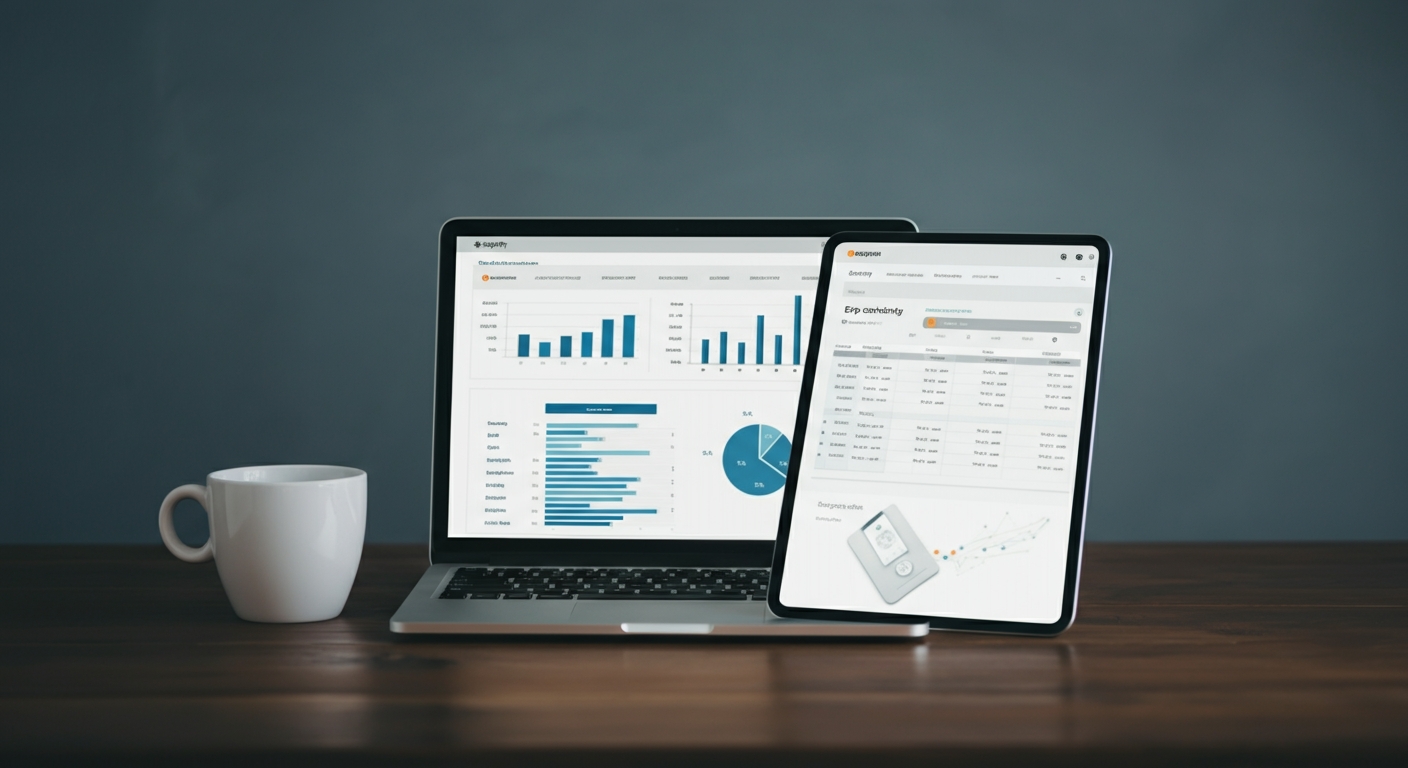
ERP systems go beyond accounting. An ERP is an all-in-one business management platform that brings together:
- Accounting
- Inventory and stock control
- Human resources (HR)
- CRM (Customer Relationship Management)
- Sales and purchasing
- Manufacturing or production
- Project management
- Payroll and compliance
Examples of ERP systems used in Zimbabwe include:
- Odoo
- SAP Business One
- Zoho One
- Sage 300 ERP
With an ERP, your business runs on one platform, with data flowing between departments in real time.
Key Differences: ERP vs Accounting Software
Feature
Traditional Accounting Systems
ERP Systems
Main Focus
Financial transactions
Entire business operations
Departments Covered
Accounts only
Accounts, HR, inventory, sales, etc.
Multi-User Functionality
Limited (2–5 users max)
Unlimited or scalable users
Integration
Manual or through imports/exports
Seamless internal integration
Multi-Currency Support
Often basic
Advanced and automated
Customisation
Limited
Highly customisable
Cost
Low upfront
Higher setup, long-term value
When Is Traditional Accounting Software Enough?
Stick with accounting software if:
- You’re a sole trader or micro-enterprise
- You only need to issue invoices and track expenses
- You manage a single currency
- You have fewer than 5 staff
- You don’t need stock control or HR modules
- Your main concern is tax filing
Example: A small shop in Mbare using QuickBooks to manage daily sales and VAT returns may not need an ERP—yet.
When Do You Need to Upgrade to ERP?
Consider an ERP if:
- You have separate systems for accounting, stock, and payroll
- Your team wastes time doing double entries
- You want real-time reporting across departments
- You’re scaling to multiple branches or regions
- You deal with multiple currencies (ZWL, USD)
- You need better control over purchasing, warehousing, or manufacturing
- You want to professionalise HR, CRM, and payroll
Example: A fast-growing agro-dealer in Bindura with 3 branches, USD and ZWL customers, and over 20 staff would benefit from an ERP like Odoo to centralise its operations.
Pros and Cons
Traditional Accounting Systems
Pros:
- Easy to use
- Affordable for small businesses
- Quick to implement
- Widely available in Zimbabwe
Cons:
- Not scalable
- No integration between departments
- Requires manual data sharing
- Limited reporting
ERP Systems
Pros:
- One system for the whole business
- Improves efficiency and reduces errors
- Real-time reporting and dashboards
- Scalable as the business grows
- Customisable for your industry
Cons:
- Higher setup and training costs
- May require internet and technical support
- Staff may need time to adjust
How ERP Saves You Money
Although ERP systems seem more expensive upfront, they can save money by:
- Reducing duplicate work
- Avoiding stock losses and over-ordering
- Improving customer service and retention
- Minimising tax errors and ZIMRA penalties
- Giving better visibility into cash flow and profit
In other words, ERP is not a cost—it’s an investment in efficiency.
Real-Life Transition: From Accounting to ERP
Case Study: A furniture wholesaler in Harare used Sage Pastel for 5 years. But as they added branches in Gweru and Mutare, managing inventory, customer orders, and staff records became chaotic.
They switched to an ERP system (Odoo) that connected:
- Accounting
- Inventory
- CRM
- HR and payroll
Now, the head office sees real-time sales from all locations. Orders are processed faster. Errors have dropped. The system cost more upfront, but profits have grown, and customer satisfaction is higher.
Choosing What’s Right for You
Ask yourself:
- Are we growing or staying small?
- Do we need one system or several?
- Are we losing time doing things manually?
- Do we need visibility into operations across departments or locations?
- Can our current system grow with us?
If you answer yes to most of the above, it might be time to upgrade.
Conclusion
Both accounting software and ERP systems have their place. The key is knowing what stage your business is in—and choosing the right tool to support your growth.
Start small if you must, but plan for integration and scalability if your goal is long-term success.