
Book keeping is a critical function for any business in Zimbabwe. Good bookkeeping ensures compliance with legal requirements, supports decision making, improves financial control and positions a business for growth. This article examines what proper bookkeeping involves in Zimbabwe, the legal framework, best practices, tools and common pitfalls.
Legal and Regulatory Framework
- Statutory Requirements Every person carrying on business in Zimbabwe is required by law to keep and maintain records of business transactions and proper books of account. These books must be in English unless the courts or the Commissioner of Zimbabwe Revenue Authority (ZIMRA) grant dispensation
- Contents of Books of Account The law requires that businesses maintain, among others:
- ledgers, journals
- cash‑books
- paid cheques
- bank statements and deposit slips
- invoices, debit notes, credit notes
- stock (inventory) sheets
- computer records and backups
- bills of entry and consignment notes
- Retention Period Records must be retained for a minimum period of six years
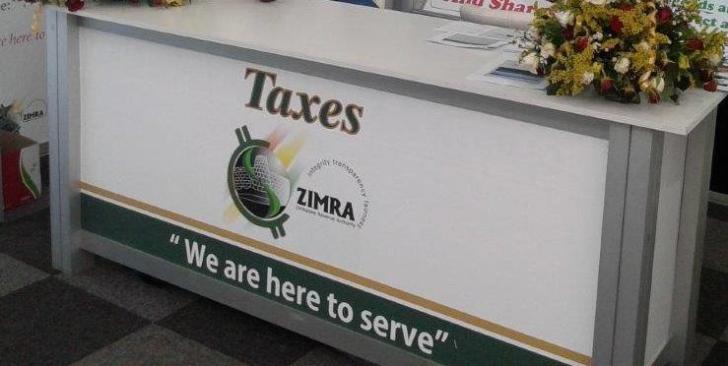
- Inspection and Access ZIMRA officers have the right to inspect financial records; if records are maintained digitally the original or copies must be retrievable and accessible for inspection.
- Reporting Standards and Oversight Bodies Zimbabwe uses international accounting standards. The Public Accountants and Auditors Board (PAAB) prescribes standards for reporting and auditing. Entities, especially in public sector, implement Public Sector Accounting Standards (IPSAS) or IFRS as applicable.
Best Bookkeeping Practices
To comply with law and ensure good financial health, Zimbabwean businesses should adopt the following practices.
- Separate Business and Personal Finances Maintain separate bank accounts, mobile money or wallet accounts for business transactions. Mixing these causes confusion and complicates audits.
- Record Transactions Promptly Transactions should be recorded daily. Delay in recording sales, expenses, wages or debts increases risk of errors, missing information and poor cash flow visibility.
- Track Multi‑Currency Transactions Separately Many Zimbabwean businesses deal in Zimbabwe Dollar (ZWL) and US Dollar or other currencies. Keeping separate records for different currencies, using reliable exchange rates for conversion, helps with clarity and compliance.
- Use Digital Tools Where Possible Digital bookkeeping tools greatly reduce error and help with generating financial reports. Tools like spreadsheets or accounting software (for example QuickBooks, Zoho Books, Odoo) are helpful.
- Organize Supporting Documents Keep all receipts, invoices, contracts, bills etc. Both physical and scanned copies should be well organised by date and type for any audit or verification.
- Reconcile Bank Statements Regularly Monthly, or more frequent, reconciliation of bank or mobile money statements with internal records is essential to detect discrepancies, fraud, or missed entries
- Maintain Inventory and Asset Registers Asset registers, stock records, and fixed asset depreciation documentation are important for valuation, insurance, maintenance and when preparing financial statements.
- Regular Financial Reviews and Reporting Preparation of profit and loss statements, balance sheets, cash flow statements and reviewing these regularly (monthly or quarterly) helps owners monitor performance and plan ahead.
- Understand Tax and Statutory Obligations Knowledge of obligations under Income Tax, VAT, PAYE, NSSA and other statutory bodies helps avoid penalties. Good bookkeeping supports timely filing.
- Backup Records and Internal Controls Whether using paper or digital systems, having backups and controls over who enters, approves or authorises transactions helps prevent fraud or loss of data.
Common Mistakes to Avoid
- Mixing business and personal finances
- Delaying entries until end of month or year, which leads to missing or inaccurate data
- Failing to record mobile money transactions or informal credit sales
- Poor document filing or loss of receipts
- Ignoring statutory deadlines or regulatory changes, leading to penalties
- Not using or updating bookkeeping software or failing to train staff in its use
Benefits of Good Bookkeeping
- Ensures compliance with ZIMRA and other statutory bodies, avoiding penalties or legal issues.
- Assists business owners in making informed decisions based on real financial data rather than estimates.
- Improves ability to get financing or attract investors, since well‑organized financials build trust.
- Helps with budgeting, cost control and profit optimisation.
Steps to Implement Effective Bookkeeping
- Assess the size and complexity of your business to choose whether cash or accrual accounting basis is more appropriate.
- Set up a chart of accounts reflecting your business activities.
- Choose a system: paper‑based, spreadsheet or software. Start simple and scale up.
- Train staff on proper procedures and roles: who enters transactions, who reconciles, who approves.
- Establish a schedule for reviews, reconciliations, financial reporting and backups.
- Stay up to date with changes in law or tax regulation via ZIMRA or professional bodies.
Conclusion
Bookkeeping practices in Zimbabwe are governed by law, but they are also tools that empower businesses. Keeping accurate records, maintaining compliance, and implementing best practices are not optional if a business wants to survive and thrive. Whether you are a small business, a startup or a larger company, investing in good bookkeeping pays dividends in financial clarity, regulatory peace of mind and sustainable growth.