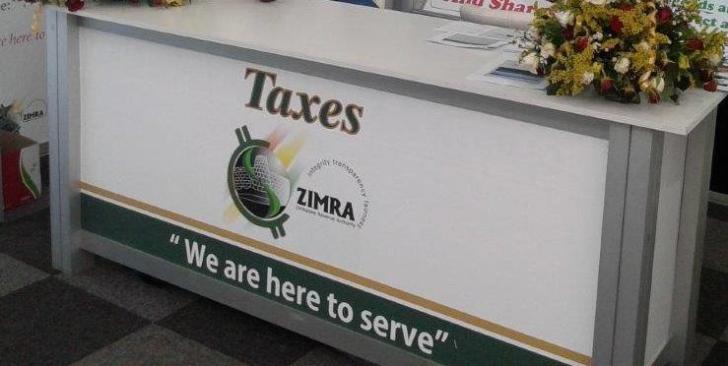

Introduction to Zimbabwe’s Tax System
As of 2025, tax system in Zimbabwe continues to serve as the backbone of national revenue generation, enabling the government to fund critical sectors such as healthcare, education, security, and infrastructure. The tax structure is designed to balance revenue mobilization with economic growth by encouraging compliance while maintaining investor confidence.
Taxation in Zimbabwe is also an instrument for wealth redistribution and economic stability. The system is underpinned by progressive tax rates—where individuals and businesses are taxed based on income levels—and by sector-specific policies intended to promote equity and efficiency in revenue collection. The Zimbabwe Revenue Authority (ZIMRA) remains the central agency responsible for administering the tax regime, ensuring compliance, and modernizing collection systems.
In 2025, Zimbabwe’s government continues to enforce reforms in tax policy and digital transformation to improve taxpayer services, reduce evasion, and enhance transparency. Tax compliance is not only a legal obligation but also a fundamental pillar for national development, influencing the quality of public services and the country’s macroeconomic stability.
Types of Taxes in Zimbabwe (2025)
Zimbabwe’s tax regime in 2025 includes a mix of direct and indirect taxes:
1. Direct Taxes
- Personal Income Tax: Individuals are taxed on a progressive scale, with the latest bands adjusted for inflation in 2025. The lowest marginal rate remains at 0% for low-income earners, while the top marginal rate is 40% for monthly incomes above ZWL 5 million.
- Corporate Income Tax: The general corporate tax rate is 24%, while special sectors such as:
- Mining pay up to 25% (with additional royalties),
- Manufacturing incentives allow for reduced rates in Special Economic Zones.
- Capital Gains Tax: CGT remains at 20% for most asset disposals, with a 5% rate for listed securities held for more than 6 months. Inflation-indexed relief is now available for qualifying long-term assets.
- Presumptive Tax: Applies to informal sector businesses that are not formally registered for income tax, with rates varying by trade or service category.
2. Indirect Taxes
- Value Added Tax (VAT): The standard VAT rate is 15%, applicable to most goods and services. However, basic foodstuffs, public transport, and medical services remain zero-rated or VAT-exempt.
- Excise Duties: Levied on alcohol, tobacco, fuel, and luxury items. As of 2025, excise duties were increased on carbonated beverages and imported spirits to encourage local production and healthier consumption.
- Customs and Import Duties: Updated in 2025 to protect local industries under the African Continental Free Trade Area (AfCFTA) framework, with lower tariffs on regional trade but higher duties on luxury imports.
- Pay-As-You-Earn (PAYE): Employers are required to deduct income tax from employees’ wages monthly based on updated ZIMRA PAYE tax tables.
- Intermediated Money Transfer Tax (IMTT): Also known as the 2% tax, revised in 2025 with a tiered cap system to reduce the burden on high-value business transactions while maintaining revenue streams.
3. Other Taxes
- Property Tax: Administered by local authorities, rates vary by location and are crucial for funding municipal services.
- Withholding Taxes: These apply on dividends, royalties, interests, and payments to non-residents, generally at 15%, unless a Double Taxation Agreement (DTA) provides relief.
The Role of ZIMRA
The Zimbabwe Revenue Authority (ZIMRA) remains the authoritative body managing tax enforcement and collection. In 2025, ZIMRA has accelerated the implementation of its Digital Revenue Services Platform (DRSP), enabling:
- Online tax filing,
- E-payment systems,
- Automated VAT refund processing, and
- Real-time taxpayer account tracking.
ZIMRA’s strategy focuses on:
- Promoting voluntary compliance through education and digital access,
- Increasing audit efficiency using data analytics,
- Collaborating with the Zimbabwe Anti-Corruption Commission (ZACC) and Financial Intelligence Unit (FIU) to tackle tax evasion and illicit financial flows.
ZIMRA also supports small and medium enterprises (SMEs) with compliance tools, including simplified tax guides, digital onboarding, and mobile registration initiatives to formalize informal sector players.
Filing Requirements for Individuals
Individual taxpayers in Zimbabwe must file their annual income tax returns by 30 April 2025 for the 2024 tax year. Filing can be done online through ZIMRA’s Taxpayer e-Services portal. Required documents include:
- Employer-issued P6 forms,
- Proof of other income (rental, investment, etc.),
- Receipts for allowable deductions (e.g., pension contributions, medical aid).
Key updates:
- Taxpayers earning exclusively under the tax threshold are exempt from filing unless they receive foreign income.
- Those with multiple income streams must declare all sources, and may face audits if discrepancies arise.
- Failure to file or underreporting income may result in:
- Fines,
- Interest charges on unpaid taxes,
- Possible legal action under the Income Tax Act.
Filing Requirements for Businesses
Businesses in Zimbabwe are required to:
- File annual tax returns within 4 months of the end of their financial year.
- Example: If a business closes its books on 31 December 2024, its tax return is due 30 April 2025.
- Submit quarterly provisional tax payments based on estimated income for the year, using the ITF12C form.
- Updated requirements in 2025 include:
- Mandatory electronic filing and payment via the DRSP system,
- Submission of audited financial statements for companies with turnover exceeding ZWL 200 million,
- Industry-specific reporting requirements for sectors such as mining, agriculture, and energy.
Businesses must also remit:
- PAYE monthly returns,
- VAT returns (monthly or bi-monthly) depending on turnover,
- IMTT declarations, and
- Withholding tax remittances for suppliers and contractors.
Penalties for non-compliance have increased in 2025 and may include:
- Daily interest accruals,
- Suspension of trading licenses (via ZIMRA-government integration),
- Public listing as a defaulter on ZIMRA’s tax clearance portal.
Conclusion
Zimbabwe’s tax system in 2025 reflects the country’s ongoing efforts to balance revenue generation with economic development, modernization, and taxpayer support. With updated rates, improved digital services, and a robust compliance framework, both individuals and businesses are expected to play a vital role in national development by fulfilling their tax obligations.
Staying informed about changes, maintaining proper records, and meeting deadlines are now more critical than ever for sustaining growth, avoiding penalties, and contributing meaningfully to Zimbabwe’s economic future.